




Greater Middle East
Syria rejects calls to join ICC
Syria has rejected calls from several nations to join the International Criminal Court (ICC), according to a report adopted Oct. 11 by the UN Human Rights Council (UNHRC). The report also includes a number of recommendations to the country aimed at improving its human rights situation, which has been widely criticized since the regime began to crack down on anti-government protests early this year. In statements contained in the report, Syria asserts that the violence in the country is the result of "terrorist threats" prompted by "a media war" and "the hegemony of the West, the US and Israel." The government of President Bashar al-Assad is estimated to have killed 3,000 civilians since mid-March.
Egyptian blogger on prison hunger strike
Reporters Without Borders issued a statement protesting the Oct. 4 decision by a military court in Cairo to postpone the hearing of jailed blogger Maikel Nabil Sanad's appeal until Oct. 11. The postponement is way to keep Sanad in detention without hearing his case, the press freedom organization said. Family and supporters are more worried than ever about the young blogger’s deteriorating health, as he has now been on hunger strike for 48 days in protest of his detainment. However, at a press conference, his brother Mark said that Maikel is "staying strong and will not be broken."
Egypt: 20 dead as mobs attack Coptic protesters
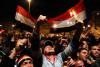
At least 20 are dead after a march of 10,000 Copts on Cairo's state TV building was attacked by stone-throwing counter-protesters. A street battle ensued as the Coptic protesters fought back and hurled stones at their assailants. Gun shots were fired in the air as army troops intervened in the clash. Egyptian TV showed protesters throwing petrol bombs and army vehicles burning outside the television building. The dead include 16 protesters and two soldiers, with some 40 people injured. Among those killed are Mina Daniel, an activist and blogger; Wael Yunna, a journalist for Coptic TV; and Michael Mosaad, a leader of the Maspero Youth Union, which organized the protest.
Syria: over the edge into civil war?
Heavy fighting is reported between the Syrian army and opposition activists in central Homs province, as anti-government protests continue. In Rastan, seven soldiers and police were reportedly killed battling troops who have defected to the opposition. At least 11 protesters were killed after thousands took to the streets after Friday prayers Sept. 30, activists said. (BBC News, Sept. 30) European nations have meanwhile dropped an explicit threat of sanctions against the Syrian regime in a bid to win Russian support for what would be the first UN resolution condemning the military crackdown on civilian protesters. Europeans diplomats meanwhile appealed to all sides in Syria "to reject violence and extremism." (UKPA, Sept. 30)
Bahrain: doctors get prison for treating protesters
A military court in Bahrain sentenced a group of medical staff to up to 15 years in prison Sept. 29 for treating anti-government protesters. The doctors and nurses were convicted on charges including incitement to overthrow the government, stealing medicine and occupying a hospital. Dr. Fatima Hadji told the BBC she was beaten in custody and threatened with rape before being released on bail. At least 30 people were killed and hundreds injured when the regime, supported by troops rushed in from neighboring Saudi Arabia and the United Arab Emirates, cracked down on pro-democracy protesters in March. (Radio Australia, Sept. 30)
Saudi women to get the vote —but still flogged for driving
The sentencing of a Saudi Arabian woman to 10 lashes after she drove a car demonstrates the scale of discrimination against women in the kingdom, Amnesty International said Sept. 27. "Flogging is a cruel punishment in all circumstances but it beggars belief that the authorities in Saudi Arabia have imposed lashes on a woman apparently for merely driving a car," said Amnesty International’s Middle East and North Africa deputy director Philip Luther, noting the irony that the sentence was handed down days after the Saudi monarchy had announced that women would be granted the vote in municipal council elections.
Yemen: dozens killed as clashes rock capital
Five days of armed clashes in the Yemeni capital Sanaa have left over 100 dead and hundreds more injured. Gunmen loyal to tribal chief Sheikh Sadiq al-Ahmar and defected soldiers under Gen. Ali Mohsen al-Ahmar are using shells and rifle fire against a camp that has been set up in the city by the Republican Guards, the country's elite troops led by President Ali Abdullah Saleh's elder son Ahmed Ali. Numerous civilians have been killed in the crossfire. Student protesters continue to occupy University Square—which they have dubbed "Change Square"—and have also come under mortar and sniper fire. (The Economist, Sept. 24; Xinhua, Sept. 23; AFP, Sept. 22; Yemen Post, Sept. 20)
Yemen: repression, drone strikes escalate
At least 24 were killed in Yemen's capital Sanaa on Sept. 18 as security forces opened fire on protesters calling for the ouster of longtime president Ali Abdullah Saleh. The violence, Yemen's worst in months, began two days earlier, when tens of thousands gathered for Friday protests, to be met with gunfire from uniformed troops and plainclothes snipers as they marched toward government buildings. Following the initial fire, a sustained confrontation ensued. The Organizing Committee of the Popular Youth Revolution then called for sustained protests to remove the "remains of the regime."









Recent Updates
17 hours 45 min ago
2 days 1 min ago
2 days 15 hours ago
2 days 15 hours ago
2 days 15 hours ago
3 days 22 hours ago
3 days 22 hours ago
3 days 22 hours ago
3 days 22 hours ago
3 days 22 hours ago