





Central Asia Theater
Podcast: the looming breakup of Russia
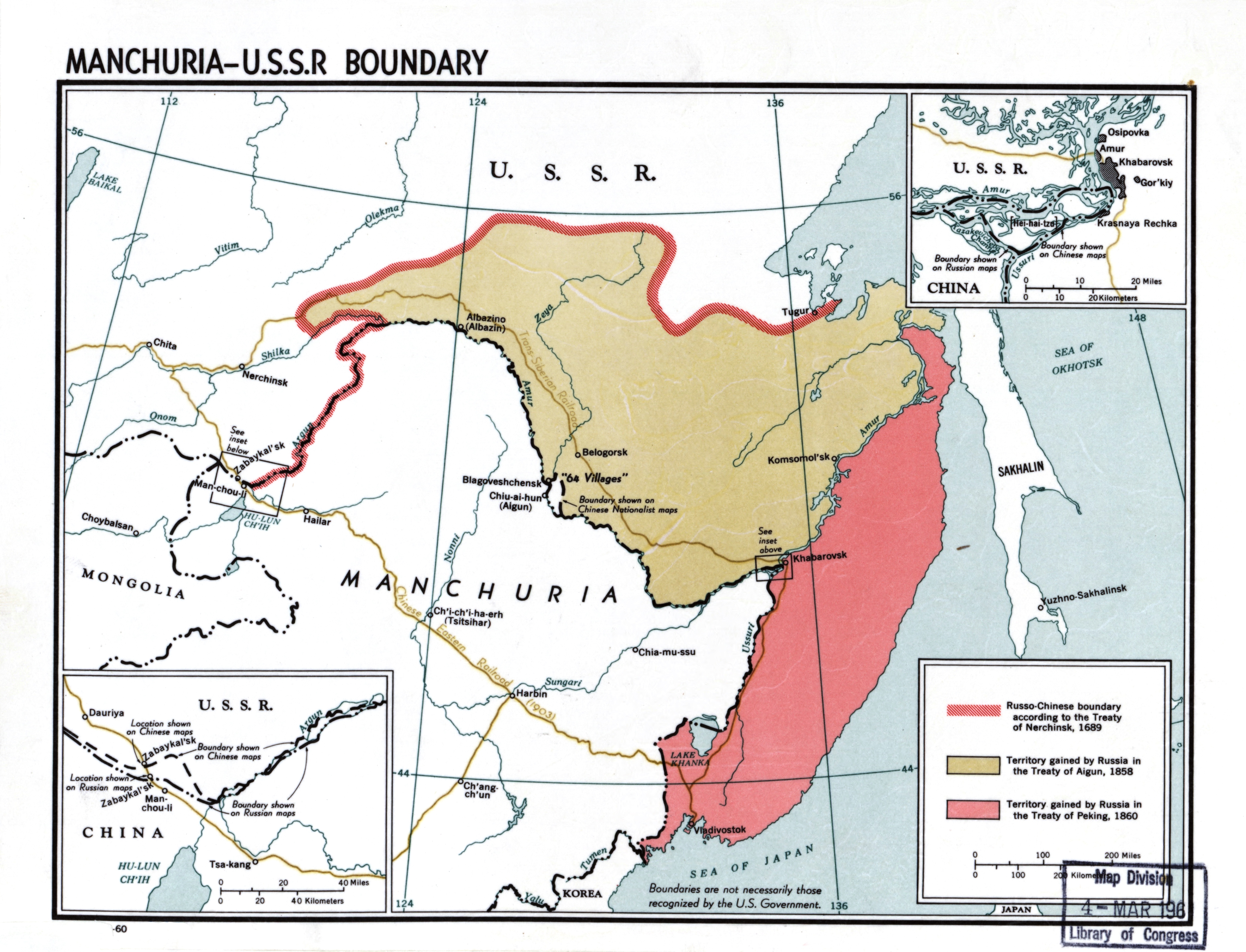
In Episode 118 of the CounterVortex podcast, Bill Weinberg explores the possibility that Putin's criminal adventure in Ukraine could backfire horribly, actually portending the implosion of the Russian Federation into its constituent entities, the "autonomous" republics, oblasts and krais. Troops from Russia's Far East were apparently involved in the horrific massacre at the Kyiv suburb of Bucha. But indigenous leaders from Siberia and the Russian Arctic are breaking with Moscow over the Ukraine war. Rumblings of separatist sentiment are now heard from Yakutia (Sakha), Khabarovsk, Kalmykia, Kamchatka, Tatarstan, Tuva, the Altai Republic, and the entirety of Siberia. China, which controlled much of what is now the Russian Far East until the 1850s, has its own expansionist designs on the region. Frederick Engels called for the "destruction forever" of Russia during the Crimean War, but it may collapse due to its own internal contradictions rather than Western aggression.
Tajikistan: internet darkness in Gorno-Badakhshan
Human Rights Watch (HRW) on Feb. 7 urged Tajikistan's authorities to restore internet connectivity in Gorno-Badakhshan Autonomous Region (GBAO, by its Russian acronym), and called on the national government to ensure due process for a political activist from the region whose whereabouts remain unknown weeks after he was detained.
Arbitrary arrests continue in Kazakhstan
Human Rights Watch (HRW) on Feb. 2 charged that during and since last month's popular uprising in Kazakhstan, security forces have arbitrarily detained protestors, tortured some detainees, and interfered with their access to lawyers. The nationwide protests, which began over of a rise in energy prices, turned bloody after President Kassym-Jomart Tokayev ordered his armed forces to "shoot and kill without warning," leading to the deaths of at least 227 people. HRW says it has received dozens of credible accounts of arbitrary detentions, with some of those arrested being beaten with batons or given electric shocks. The organization directly interviewed some former detainees and their lawyers, and compiled reports from Kazakh rights groups and independent media outlets. Reported abuses include the forcible transfer of wounded persons from hospitals to detention centers.
Kazakhstan president asks Russia to help quash uprising
Kazakhstan's President Kasym-Jomart Tokayev on Jan. 5 called participants in the protests that have swept the Central Asian nation this week "terrorists," accusing them of attempting to undermine his government at the behest of foreign powers. He also issued a call for Russia and the other members of the Collective Security Treaty Organization (CSTO) to come to his country's defense.
Podcast: Ilshat Kokbore on the Uyghur struggle
In Episode 96 of the CounterVortex podcast, Bill Weinberg interviews Ilshat Kokbore, former president of the Uyghur American Association and current director for China affairs with the World Uyghur Congress. Kokbore relates the story of his exile from his homeland in East Turkistan, known to its current Chinese rulers as Xinjiang, for petitioning against the purge of the Uyghur language from the educational system in 2003. Since then, of course, the situation has escalated to mass detention and even, in the opinion of many international legal experts, genocide. Kokbore discusses the history of the independence struggle in East Turkistan and the current campaign to boycott the 2022 Beijing Winter Olympics. Listen on SoundCloud or via Patreon.
Uyghur Tribunal in UK hears testimony on abuses
The Uyghur Tribunal, an "independent people's court" convened by exile and human rights groups, concluded last week after months of hearings in London. Following a request from the World Uyghur Congress, the Tribunal was organized last year by Sir Geoffrey Nice, the lead prosecutor for the International Criminal Tribunal for the former Yugoslavia (ICTY). The Uyghur Tribunal heard testimony from some 500 witnesses, including survivors of the detention camps in Xinjiang, on torture, sexual abuse, coerced labor, and forced sterilization.
'Genocide' seen in PRC Uighur birth-control policy
An Australian think-tank released a report on the declining birth rates among the Uighur population in China's western Xinjiang province, concluding that birth-control policies imposed on the Uighurs by the People's Republic of China may constitute genocide. The Australian Strategic Policy Institute (ASPI) analyzed the publicly-available data on birth rates in China from 2011 to 2019, and found that birth rates among the Uighur ethnic minority dropped precipitously starting in 2017. The birth rate fell by almost half in the predominately Uighur province of Xinjiang, where a campaign to eliminate "illegal births" is being carried out.
Kyrgyz-Tajik border clash over water
The armed forces of Kyrgyzstan and Tajikistan clashed at a disputed section of their border on April 29, leaving 30 dead and thousands displaced before a ceasefire was declared. The fighting broke out near the strategic Golovnoi (also rendered Golovnaya) water pumping facility, in the Tajik-controlled exclave of Vorukh. Kyrgyz protesters gathered on their side of the de facto border after Tajik authorities installed surveillance cameras at the facility. The two sides began hurling rocks at each oher across the line before military troops intervened, and the situation escalated. The Golovnoi facility pumps water from the Isfara River, a tributary of the Syr Darya, to irrigate agriculture in the area. It is in the Fergana Valley, a small fertile pocket in the arid Central Asia region. Soviet authorities drew the boundaries so that Kyrgyzstan, Tajikistan and Uzbekistan each got a portion of it. However, this meant intricate, twisting borders between these nations, and territorial disputes have arisen.










Recent Updates
1 day 2 hours ago
1 day 21 hours ago
2 days 5 hours ago
2 days 19 hours ago
2 days 19 hours ago
1 week 5 days ago
1 week 6 days ago
2 weeks 1 day ago
2 weeks 1 day ago
2 weeks 1 day ago